
Quickie: The Margin Call Nobody Saw Coming
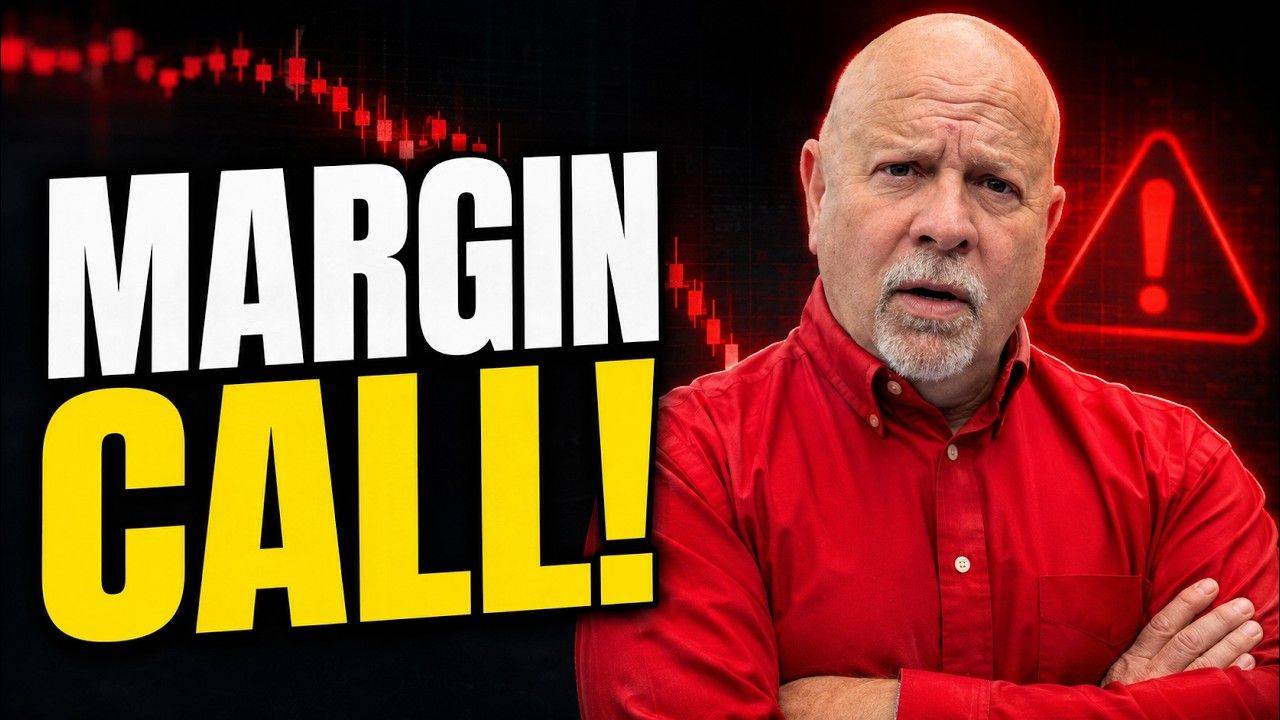
Why Leverage Can Destroy a Trading Account Faster Than a Bad Stock Pick
A trader can make the right moves for months and still give everything back in a matter of days if leverage is not controlled.
The real danger is not always choosing the wrong stock. According to Mark Yegge’s warning, the bigger issue is often borrowed money. Leverage can magnify a good decision, but it can also magnify a bad one just as aggressively.
And when a leveraged trade moves against you, the market does not wait for your thesis to be proven right. The broker can force the decision for you.
Key Takeaways
Leverage Cuts Both Ways
Borrowed money can magnify profits, but it can also magnify losses with the same force.
Bad Trades Come With Deadlines
A losing leveraged position can trigger forced selling before the trader has time to recover.
Margin Calls Are Not Negotiations
When a broker forces liquidation, shares may be sold at the worst possible price.
Position Size Is Control
Mark’s core lesson is simple: decide in advance how much one mistake is allowed to cost.
The Real Risk Is Not Always the Stock
Mark opens with a painful example: a trader turns $50,000 into $200,000 over nine months, then gives all of it back in four trading days.
That kind of collapse is not usually about one bad stock pick. It is about the structure of the trade. When leverage is involved, the size of the position can become more dangerous than the idea behind it.
Mark’s key warning: leverage magnifies a good decision, but it magnifies a bad decision just as hard.
Why Borrowed Money Changes the Game
Leverage can make a trade feel more powerful because the gains show up faster. But the same borrowed money also creates pressure when the position starts moving against the trader.
A normal losing trade may give the trader time to think, adjust, or exit with discipline. A leveraged losing trade may not offer that same flexibility. The loss comes with a deadline.
This is where margin becomes dangerous. If the position falls far enough, the broker does not wait for the trader’s opinion, conviction, or long-term thesis.
The Margin Call Problem
Mark’s point is direct: when the margin call arrives, it often arrives on the worst possible morning.
The broker’s job is not to care about the trader’s thesis. The broker’s job is to protect the loan. That can mean forced selling at a terrible price, at exactly the moment the trader has the least control.
This is why leverage can turn a temporary drawdown into a permanent loss. The position may be sold before the trader has any chance to recover.
The Traders Who Survive Think Differently
Mark does not describe long-term trading survival as a matter of having the sharpest opinion. The traders who last are not necessarily the ones with the boldest market calls.
The traders who survive are the ones who decide risk before the trade gets emotional. They know in advance how much one mistake is allowed to cost them.
That mindset separates controlled risk from hope-based trading. The goal is not to avoid every mistake. The goal is to make sure one mistake cannot destroy the account.
What Traders Should Watch
Leverage Exposure
Know how much borrowed money is involved before entering the position.
Position Size
Position size is the variable Mark highlights as fully within the trader’s control.
Maximum Loss Per Mistake
Decide ahead of time how much a single wrong decision is allowed to cost.
The Bottom Line
Leverage can make success look bigger, but it can also make failure arrive faster. Mark’s lesson is that survival comes from controlling what can be controlled before the trade moves against you.
Position size is the key. Traders cannot fully control the market, the timing of a drawdown, or the behavior of a broker during a margin call. But they can control how much they risk on a single idea.
Want to Learn How We Generate Income Regardless of Market Direction?
Watch the free Cash Flow Machine masterclass and learn how disciplined investors approach income generation in different market environments.
Watch the Free MasterclassSerious Investors Join Us Inside Elite
Elite teaches the broader Cash Flow Machine system for investors who want a more structured approach to market income and risk management.
Learn More About Elite