Insider Tips - Weekly Stock Market Report - Week March 2, 2026
Insider Tips — March 02, 2026
In this week's Insider Tips I’m staying cautiously optimistic because the market is green, but a lot of tech still doesn’t feel healthy. My core message is risk management: protect your account with “circuit breakers” (stops/defensive rules) so one ugly move doesn’t wreck your progress. I point to how a marquee name can deliver strong earnings and guidance and still sell off right after, which is exactly why downside protection matters.
Technical analysis
- Index posture vs. 50-day moving average: I’m treating “under the 50-day” as a danger zone—especially for the NASDAQ, with the S&P 500 and Dow also hovering below that key level, while NYSE is stronger but mostly consolidating rather than breaking out.
- Market “churn” at the top: Even with green signals, I describe price action as grinding/tepid—more like consolidation that could roll over than a clean push higher.
- Volatility check: The VIX is elevated, which I interpret as capital getting more cautious and drifting to the sidelines—another reason upside progress feels capped.
- Earnings reaction risk: A big takeaway in my chart-read is that post-earnings price action + volume matters as much as the headline numbers—especially when you get a gap down on heavy volume and then watch whether there’s follow-through.
Market trends I’m calling out
- Tech leadership is shaky: If the mega-cap complex isn’t participating cleanly, the whole tape can go flat and “hard to buy.” I’m basically saying: if leaders can’t break out, breakdown risk rises.
- AI spending vs. stock performance: I note several big platforms are spending heavily on AI/infrastructure, but the charts aren’t rewarding that (yet).
- Precious metals strength: Gold, silver, and especially gold miners look constructive; I highlight miners pushing to/all-time highs and showing persistent strength.
- Selective energy theme: I like the energy theme, but I’m emphasizing selectivity—“pick the right ones.”
Individual stocks (what I’m seeing)
Nvidia (NVDA):
Strong fundamentals didn’t stop a sharp post-earnings sell reaction; I frame NVDA as a market “director”—if it’s flat, the market can be flat, and if it can’t lead, breakouts get scarce.
Apple (AAPL):
I suggest Apple could benefit from the AI angle (I mention strong demand for certain Mac hardware and an “accidental” AI tailwind).
Tesla (TSLA):
I place it in a “no man’s land” technically—below the 50-day but above the 200-day—so I’m not eager to buy or short aggressively; the big catalyst I’m waiting on is autonomy/robotaxi approval progress.
MicroStrategy (MSTR):
I describe it as having sold off and then attempting to base; I tie its direction closely to Bitcoin.
AMD (AMD):
I flag a gap down on volume and being under the 50-day as a “hands off until it proves itself” situation.
Gold miners / GDX:
I highlight this as one of the brighter areas, noting strength that suggests investors are leaning into the miners.
Meta (META):
Despite what some might think is “good stuff,” I’m skeptical—still under the 50-day and I call out weak relative strength while spending heavily on AI/infrastructure.
Microsoft (MSFT):
Similar message—heavy spend, but the chart has deteriorated meaningfully from prior highs.
Amazon (AMZN):
I’m cautious because the chart is weak (gap downs, under the 50-day). I also add a nuance: historically, Amazon’s big infrastructure spend has sometimes paid off later once the buildout matures—but I still don’t want it until the chart improves.
Bloom Energy (BE):
I note repeated breakout attempts and keep it in the “interesting, but be selective/careful” bucket within energy.
Key takeaways
- Risk rules first: Use trading “circuit breakers,” stops, and defensive rules so you don’t learn the downside lesson the hard way.
- Respect the 50-day: When major indexes and leaders are living under the 50-day, I assume breakouts are lower quality and risk is higher.
- Watch leadership concentration: If the leaders (especially NVDA-like bellwethers) stall, the overall market often stalls with them.
- Follow strength: I’m more constructive on gold miners/precious-metals-related strength than on lagging mega-cap tech charts.
- Be selective in themes: Even in areas I like (energy), I’m not blanket-bullish—stock selection matters.
Conclusion
My bottom line is: yes, the market is green, but the feel is fragile—choppy up top, elevated volatility, and too many heavyweight tech charts under key moving averages. I’m staying defensive, prioritizing capital protection and waiting for cleaner breakouts, while giving more respect to the pockets of strength like gold miners.
Current Market Condition

I still see a green tape with a mild upside bias — but the internals are fragile.
The NASDAQ remains the weak link, sitting below the 50-day moving average, and even the S&P 500 and Dow are hovering around that same key trend line. That tells me leadership isn’t strong enough to fuel a clean breakout. When your growth engine is under pressure, rallies tend to stall.
The NYSE is holding up better above its 50-day, but it’s consolidating — not expanding. That’s rotation and digestion, not broad participation.
Layer in an elevated VIX — which tells me money is getting a bit more cautious and drifting toward the sidelines — and my playbook doesn’t change.
Stay constructive. But trade defense-first.
Be selective. Respect the moving averages. Keep your circuit breakers on.
Because in this type of tape, the indexes can look green while individual names break down fast.
And that’s where discipline separates income engineers from hope traders.
Stock of the Week:
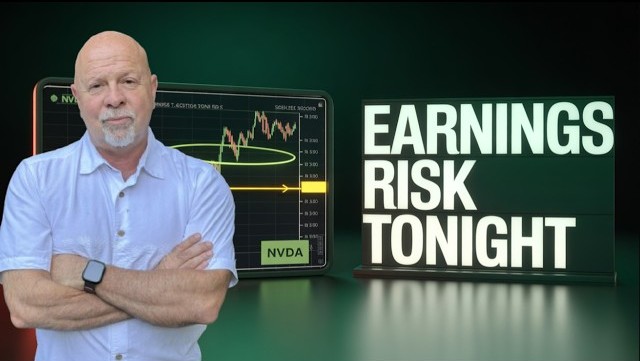
NVIDIA (NVDA) is not just another earnings report — it’s a market lever.
When NVDA moves, it can move AI, semiconductors, the NASDAQ, and sometimes even the S&P 500 with it. That’s why I don’t treat this as a prediction event — I treat it as a volatility event.
I’m focused on forward guidance: China exposure, energy and infrastructure constraints, and competitive pressure. And technically, when a stock stalls near key moving averages after a big run, it often means expectations are already priced in.
So as a covered call trader, I’m preparing — not guessing.
In this video, let’s break down the plan.

NVIDIA Beats… So Why Is the Stock Falling?
In this video, let me show you that this is the classic “priced for perfection” trap. Strong results don’t matter if expectations were already extreme.
What matters now is the reaction: a large, high-volume red candle while still below the 50-day — a clear sign of rejection after “good news.”
From here, I’m watching one thing: can NVDA reclaim the 50-day and stabilize, or does it drift toward a 200-day test?
The lesson stays the same — never take oversized risk into earnings. Structure the trade so one gap doesn’t wreck your month.
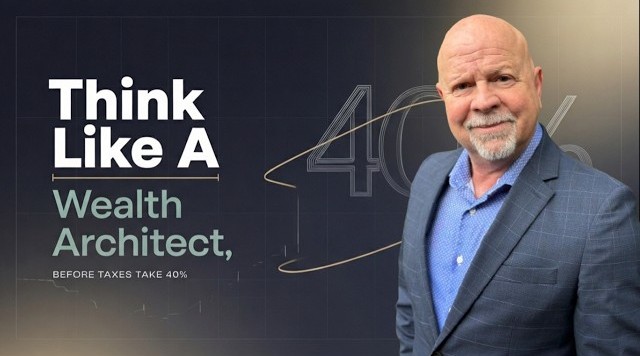
Insider Tip Add-On: The Wealth Architecture Gap (Keeping More of Your Options Income)
Even if I run covered calls well, I can still lose a meaningful chunk of results through tax drag, weak entity structure, and missing asset/estate protection—that’s the “Wealth Architecture Gap.” The fix is thinking beyond trading mechanics: optimize tax efficiency, explore whether entity structuring (like an S-Corp conversation for higher income levels) fits, and build legal separation (LLCs/holding structures/trust planning) so success compounds instead of leaking out over time. The point isn’t complexity—it’s making sure my trading income flows through a system designed to keep more of what I earn. Check out this video here.
Upcoming Event: