
Insider Tips - Weekly Stock Market Report - Week March 09, 2026
Insider Tips — March 09, 2026
In this week's Insider Tips, I’m calling it straight: the market has flipped risk-off. My dashboard is showing four red lights, and the tape is behaving like it—major indexes are breaking down under key moving averages, volatility is rising into “panic” territory, and macro stress (especially oil/transportation inflation pressure) is feeding into the selloff. In this kind of environment, my priority is simple: protect capital first, avoid “bargain-hunting” in breakdowns, and be willing to step aside until the market proves it can stabilize again.
Technical analysis
- Market regime: four red lights. My system is clearly signaling a red market condition, and historically that means the path of least resistance is down until proven otherwise.
- NASDAQ = the weak link (and leading lower). NASDAQ has been unhealthy and is now below the 50-day, 21-day, and 8-day moving averages, with a potential “gravity pull” toward the 200-day.
- S&P 500 is “catching down.” Instead of tech bouncing back to lift the broader market, the broader market is being dragged lower—often a sign the weakness is spreading.
- Dow and NYSE rolling over. What had been the strongest area is now sliding hard, with the Dow heading toward the 200-day and the NYSE slipping below key longer-term averages (10-week).
- Volatility check (VIX): elevated = messy tape. With the VIX powering up into the mid/high-20s, I assume wider swings, more gaps, and more emotional decision traps.
My technical bottom line: this isn’t “healthy consolidation.” It’s a trend break that can last longer than most people want it to.
Market trends I’m calling out
- Oil shock → inflation pressure. When major routes are disrupted and oil pushes higher, that cost bleeds into everything because transportation touches everything—this is one of the cleanest channels for inflation pressure to re-accelerate.
- Headline risk is real risk. This kind of tape can gap and slide in ways that don’t feel “fair,” which is why I don’t size up and hope. I manage what I can control: exposure, position size, and downside rules.
- This is where pros get paid: restraint. I come back to the Jesse Livermore idea: there’s a time to press and a time to step away—this is often the “step away” part of the cycle.
Individual stocks (what I’m seeing)
Apple (AAPL)
I like the story because Apple gets AI participation through partnerships rather than “blank-check” spend. I also flag real-world demand signals (Mac minis and studios moving fast; inventory tightening), but I’m not treating it as an automatic buy in a falling tape.
Tesla (TSLA)
The chart is telling the truth: it’s been below the 50-day for an extended stretch (not healthy), even though it’s bouncing off the 200-day—so I’m not trying to “scoop the bottom.”
GE Aerospace (GE)
This is the type of name I watch for “market tells.” It broke out, then pulled back to test the 50-day. If it holds, that’s constructive; if it fails, it can slide into a more painful selling zone.
Bloom Energy (BE)
Still hovering around a buy point and “giving another chance,” but I stay selective—red markets love to make good charts fail.
Circle / stablecoins theme
I’m watching the push for clearer crypto regulation, because clarity could open up opportunities in stablecoins, Bitcoin rails, and transaction processing—basically the slow build of a new financial system moving more fully into the cloud.
Key takeaways
- Respect the regime. When my dashboard shows four red lights, I assume downside risk dominates until the market proves otherwise.
- Don’t confuse “down” with “cheap.” The biggest trap is thinking “it’s on sale”—often the weakest names keep falling.
- VIX elevated = more fakeouts, more pain. Expect bigger swings and protect your psychology with smaller size and tighter rules.
- It’s okay to step aside. Sometimes the highest-skill move is not trading—there’s a time to press and a time to go fishing.
- If you participate, do it defensively. Range-bound “income setups” (like covered calls on chop) can make more sense than directional bets—but only with discipline.
Conclusion
My bottom line is defense-first: the market has shifted into a red condition with broad technical damage, rising volatility, and macro pressure showing up through oil/inflation channels. I’m not trying to be a hero here—I’m protecting capital, avoiding falling knives, and waiting for the market to earn risk back (a real stabilization signal, not just a one-day bounce).
Current Market Condition
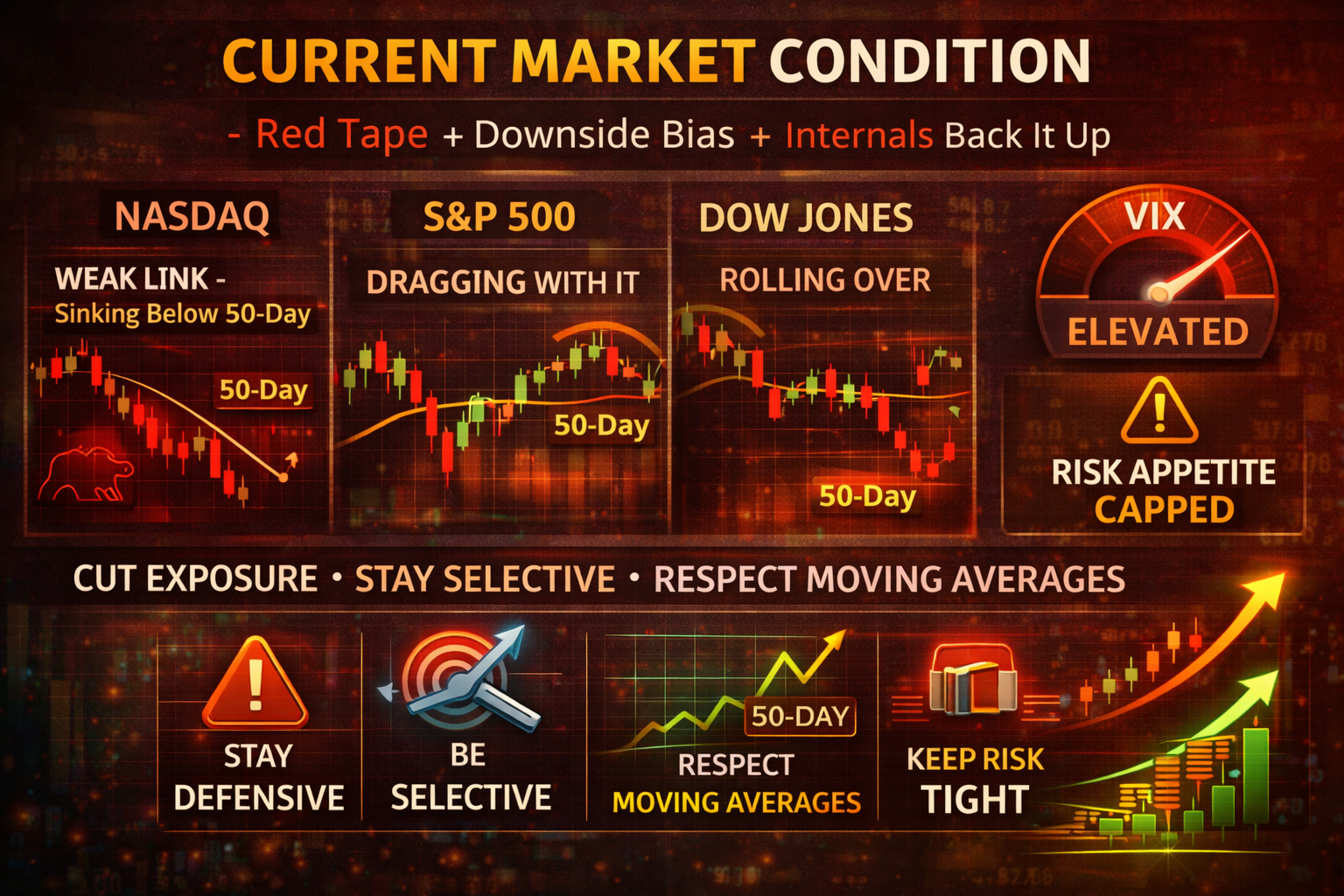
I still see a red tape with a downside bias — and the internals back it up.
The NASDAQ is the weak link, sitting below the 50-day and dragging the S&P 500 with it. Even the Dow/NYSE are rolling over, which tells me this isn’t isolated anymore.
With an elevated VIX, my playbook stays simple: defense first.
Cut exposure, stay selective, respect the moving averages, and keep your circuit breakers on — because in this tape, green days can still be traps.
Stock Tips This Week:
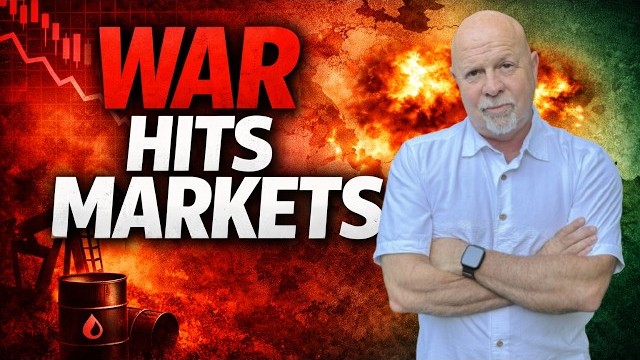
Markets in Risk-Off Mode: War, Oil Spikes, and Why Covered Calls Are Holding Up
In this video, I’m treating the tape as risk-off: geopolitical escalation is tightening shipping/energy routes, pushing oil higher and reviving inflation fears—pressure for equities. The key technical tell is the S&P slipping below the 50-day, which often leads to lower highs and higher volatility. My edge here is structural: deep in-the-money covered calls can add downside cushion so you’re not relying on price appreciation to survive a rough tape.

10K DARE Follow-Up: Covered Calls for Weekly Cash Flow (1–2% Targets)
In this video, I break down the “keep it simple” blueprint: own shares, sell a call, collect premium—repeat with discipline. The focus is consistency over hero trades (with 1%–2% weekly targets commonly used as a benchmark), starting small, sizing positions so one move can’t crush you, and tracking every trade. Key warning: don’t sell into earnings without rules, and don’t ignore wide bid/ask spreads—they quietly drain returns.

Apple, AI, and a Covered Call Strategy for Cash Flow in a Crazy Market
In this video, my thesis is simple: I don’t need to predict headlines—I need a system. Apple can still benefit from the AI wave through unexpected hardware demand (Mac Minis/Mac Studios being used for local AI workloads), and I can monetize that uncertainty with covered calls instead of trying to time a breakout. Example framework: stock around 264.50, sell the 265 call, collect about $8/share (~$800/contract)—but only with an adjustment plan, because premium is a cushion, not a shield.
The Trolley Problem: Why “Save Five” Feels Right…Until It Doesn’t
In this video, I unpack why moral choices don’t feel consistent even when the math is the same: directness, intent, and using someone as a tool change how we judge the action. I contrast consequentialism (outcomes) with categorical reasoning (rules/rights) and land on three core questions: rights, procedure (fairness), and consent—and why those frameworks don’t always resolve the dilemma cleanly.
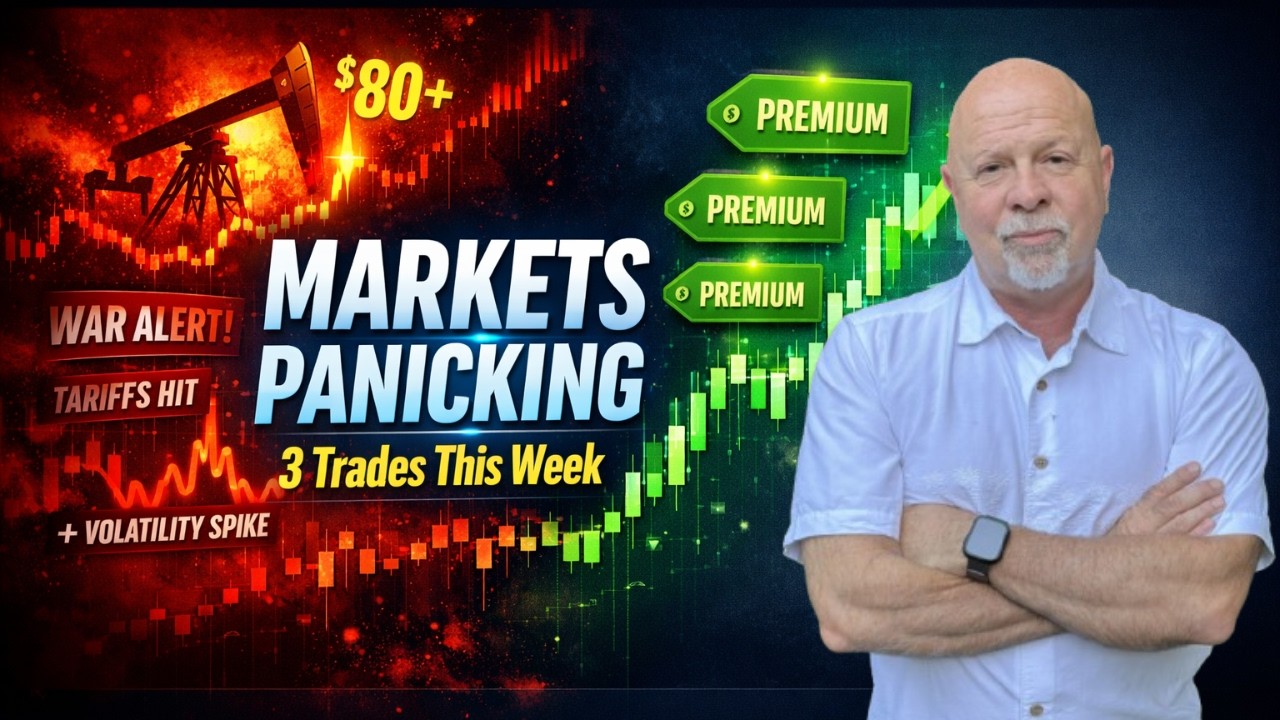
Get Paid in Volatile Markets: 3 Covered Call Trades
In this video, my playbook is straightforward: when fear rises, implied volatility rises, and premiums often expand—so I show up with a system instead of freezing. The three setups: (1) semis like NVDA—sell slightly ITM calls on quality names you already own, (2) energy—sell calls on existing positions instead of chasing spikes, and (3) a broad portfolio—sell calls across multiple holdings when policy/tariff-style chop keeps IV elevated. Reality check: premium helps, but it doesn’t remove downside risk.
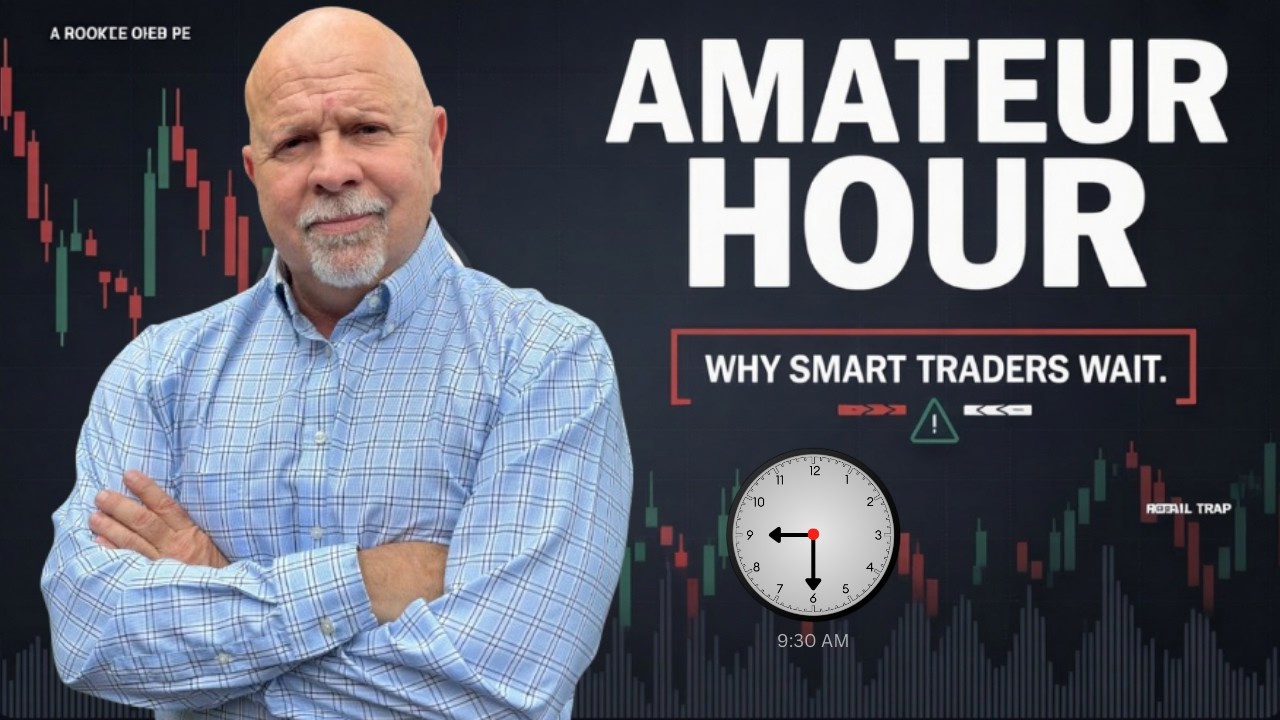
Amateur Hour Trading: Why the First 45 Minutes Can Cost You Money
In this video, I share a simple execution edge: the open is emotional and messy—spreads widen, price discovery is incomplete, and traders get baited into chasing moves that reverse. The rule: treat the first 45 minutes as a “watch and wait” window unless you’re trained to trade the open. For covered calls, waiting often means better fills and fewer emotional adjustments.
Podcast Episode This Week:

A Holistic Approach to Money (with Carrie Friedberg)
This week, I talk with Carrie Friedberg (a psychology-informed money coach) about the behavior side of money—why people feel stress or avoidance around finances, how early “money stories” shape habits, and how to build calmer, more consistent cash-flow decisions that actually stick.
Upcoming Event:
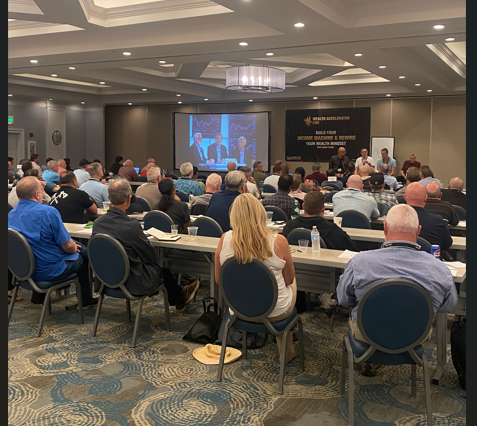
With just one month to go, we’re preparing for Wealth Accelerator Live: The Strategy Room — a private 3-day Strategy Intensive happening April 17–19, 2026 at the Crowne Plaza San Marcos Resort in Chandler, Arizona.
This event is designed for serious investors who want to sharpen their process, remove execution bottlenecks, and implement the system with greater precision—working directly with Mark and the team in a focused, small-room environment.
Over the three days, we’ll break down the strategy step-by-step, refine decision-making, and help you tighten the process that drives consistent results.
To keep the experience highly interactive, attendance is intentionally limited to just 60 seats, and as the event approaches, registration will close once the room reaches capacity.
No livestream. No recordings. Just the strategy room.
If you’ve been considering joining us in Arizona, now is the time to secure your spot.
