
Insider Tips - Weekly Stock Market Report - Week May 04, 2026
Insider Tips — May 04, 2026
This week’s market tone is constructive, but not fully decisive. The broader market is no longer flashing a clean green light, yet it has not deteriorated into a red-light environment either. The better description is yellow: a market that is still holding up, still showing strength in key areas, but also still working through uncertainty.
The most important development is that technology is showing renewed leadership. The Nasdaq pushed into all-time-high territory, the S&P 500 is pressing higher, and volatility has cooled meaningfully. That combination usually tells us panic is fading and institutions are more willing to support risk assets.
At the same time, this is not a market for sloppy entries or emotional trades. The Fed, geopolitical risk, and heavy AI spending remain important variables. The current opportunity is real, but so is the need for discipline. In this tape, the goal is not to predict perfectly. It is to read the evidence, manage risk, and stay aligned with the strongest areas of the market.
Technical Analysis
The overall market remains in a yellow condition, with mixed signals under the surface. Two indicators are supportive and two are still cautious, which suggests the market may remain range-bound until it either confirms a breakout to new highs or breaks down toward a new low.
The Nasdaq is the clearest source of strength. After a long, frustrating stretch of sideways-to-lower action, the index has completed a strong V-shaped recovery and is now pressing into all-time highs. That kind of move matters because technology leadership often carries the broader market with it, especially when large-cap growth stocks are participating.
The S&P 500 also looks strong after gapping higher and reaching new highs. The Dow Jones Industrial Average is less convincing. It attempted to break above a short handle area but could not fully hold the move. The New York Stock Exchange Composite also looks somewhat constructive, but it has not shown the same clean strength as the tech-heavy indexes.
Volatility is another key part of the story. The VIX has dropped back into the 16s, a level that reflects a calmer market environment than we have seen in recent months. Lower volatility does not guarantee upside, but it does suggest that panic selling has faded. In a calmer, sideways market, covered-call strategies can become more attractive because traders may be able to collect premium while the market digests its recent gains.
The main technical message is simple: technology is leading, volatility is cooling, and the broad market is still constructive — but confirmation matters. Until more indexes fully confirm the move, this remains a disciplined yellow-light environment rather than an all-clear green light.
Market Trends I’m Calling Out
The first major theme is the return of technology leadership. The QQQs have moved from a difficult multi-month decline into a renewed leadership position. That shift is important because the market often follows the sectors with the strongest institutional sponsorship.
The second theme is the AI trade. Semiconductors, data-center infrastructure, and energy suppliers tied to AI demand remain strong. However, there is a growing question underneath the optimism: what happens if AI infrastructure spending becomes excessive or if lower-cost, locally run models reduce the need for massive data centers? That does not mean the trade is over, but it does mean investors should avoid assuming every AI-related stock will keep working forever.
The third theme is earnings risk. Several names have shown that even strong companies can move unpredictably around earnings. The rule remains the same: do not buy stocks blindly into numbers. Earnings can create overnight gaps that overwhelm otherwise reasonable setups.
The fourth theme is volume. Price alone does not tell the whole story. Volume shows conviction. A stock falling on light volume may simply be resting. A stock breaking down on heavy volume is sending a very different message. Reading price and volume together is essential in this environment.
Individual Stocks: What I’m Seeing
Apple
Apple is becoming more interesting. The stock gapped higher after earnings on strong volume and appears to be emerging from a long consolidation. That matters because extended bases can act like coiled springs: the longer the consolidation, the more powerful the eventual breakout can be if buyers finally take control.
The key area to watch is the prior high near 288.62. If Apple can challenge and clear that level with conviction, the next psychological target could be a $300 handle. The setup is constructive, but the same earnings rule still applies: the safest time to evaluate a stock is after the event risk has passed, not before.
Amazon
Amazon looks healthy. The stock worked through a difficult consolidation, formed a double-bottom-like structure, and then climbed the right side with a series of gaps. It has pushed into a buy zone and recently reached an all-time high.
The relative strength improvement is notable. Amazon appears to be one of the stronger large-cap names in the current tape, and as long as the broader tech leadership holds, it remains a stock worth watching closely.
Microsoft
Microsoft is less compelling right now. The stock may be trying to recover, but it still needs to prove itself around the 50-day moving average. Until it can reclaim and hold that area with authority, the chart does not look as strong as the leading tech names.
There is also a broader question around how the market values Microsoft’s AI spending. The company wants to be treated as a major AI leader, but the chart needs to confirm that institutions agree.
Meta
Meta faces a similar issue. The company is investing heavily in AI, but investors appear to be questioning whether that spending will generate enough return. The market seems less convinced that Meta’s leadership in social media automatically translates into leadership in AI infrastructure.
This does not mean Meta cannot recover, but the chart is telling us to stay cautious. Heavy spending themes can work beautifully when the market believes in the payoff. They can also become a liability if investors start questioning the return on capital.
AMD and Semiconductors
The semiconductor trade remains one of the strongest parts of the market. AMD was described as a monster chart, already breaking out and continuing to push higher. As long as investors keep buying chips and the AI infrastructure theme remains alive, semiconductor leaders can continue to benefit.
That said, this is also where discipline matters most. Strong trends can become crowded trends. The chart is bullish, but investors should continue watching volume, extension, and whether breakouts are being supported by real institutional demand.
Bloom Energy
Bloom Energy is another AI-related infrastructure play. The stock gapped up after earnings and reached all-time highs, helped by the idea that data centers need reliable, small-footprint energy solutions.
The chart is strong, but the recent reversal candle deserves attention. If the stock begins filling the earnings gap, that may signal a pause or consolidation. For now, it remains part of the AI infrastructure theme, but chasing after a large gap requires caution.
Gold Shares
Gold shares are currently under the 50-day moving average, which is not ideal. However, the selling has not come on heavy volume, so the weakness does not yet look severe.
The low-volume decline suggests sellers may not have strong conviction. Gold could still remain relevant if monetary policy expectations shift, especially with attention on future Fed leadership and the direction of rates. For now, it is a watchlist idea rather than a clean leadership group.
SanDisk and SOXL
SanDisk was highlighted as an exceptionally strong chart, moving dramatically from its prior breakout area into new-high territory. SOXL, the leveraged semiconductor ETF, also reached all-time highs, reflecting the strength across the chip space.
The message here is not subtle: semiconductors are leading. When the strongest ETF and individual names in a group are making new highs, that is usually a sign institutions are still allocating capital to the theme.
Key Takeaways
- The market is constructive, but still yellow — strong enough to participate, not strong enough to be careless.
- Technology is leading again, with the Nasdaq and QQQs showing clear strength.
- Volatility has cooled, which supports a calmer market tape and can favor premium-selling strategies.
- Earnings remain dangerous because good companies can still have bad stock reactions.
- Volume matters as much as price. It helps reveal whether institutions are buying, selling, or standing aside.
- AI-related trades remain strong, but investors should avoid assuming every AI spending story will pay off.
- The strongest setups are coming from stocks reclaiming leadership, breaking out of long consolidations, or showing strong relative strength.
Conclusion
This is a market that rewards discipline. The tone has improved, technology is leading, and volatility has calmed, but the broader picture is not completely risk-free. A yellow market means investors can participate, but they should do so with rules.
The best approach is to stay focused on quality charts, avoid unnecessary earnings risk, and respect support, resistance, moving averages, and volume. No one knows exactly where the market will go next. The job is to read probabilities, protect capital, and let the strongest charts earn attention.
Current Market Condition
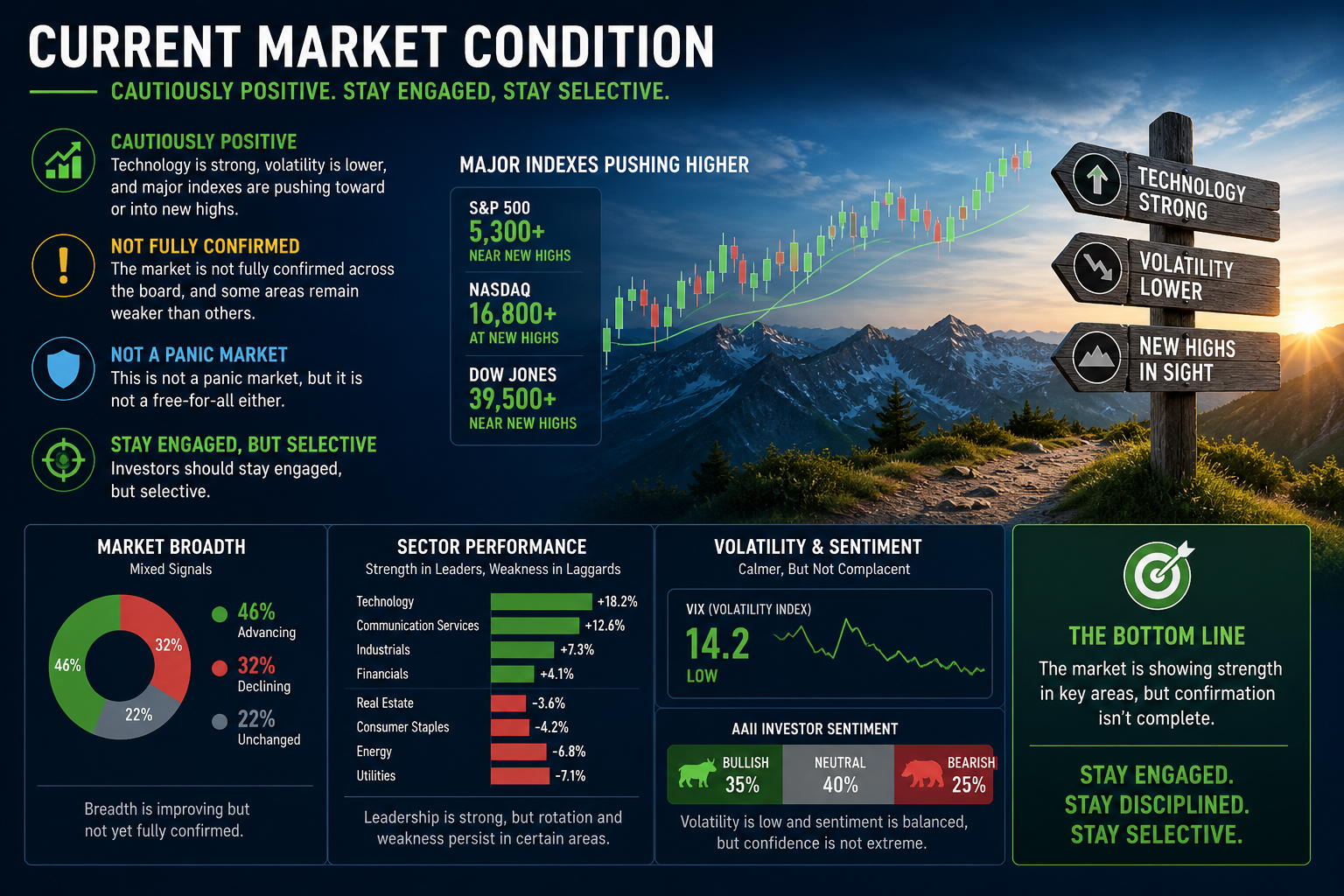
The current market environment is cautiously positive. Technology is strong, volatility is lower, and major indexes are pushing toward or into new highs. However, the market is not fully confirmed across the board, and some areas remain weaker than others.
This is not a panic market, but it is not a free-for-all either. Investors should stay engaged, but selective.
Stock Tips This Week

Why Mark Yegge Avoids Cheap Stocks Like SoFi and Robinhood
In this video, the key lesson is that a cheap stock is not automatically a good opportunity. The discussion uses SoFi and Robinhood to show why investors need to separate a good company story from weak stock behavior. Earnings risk, failed support near the 50-day moving average, and heavy selling volume can all signal that institutions are not supporting the stock, even when the business sounds attractive.
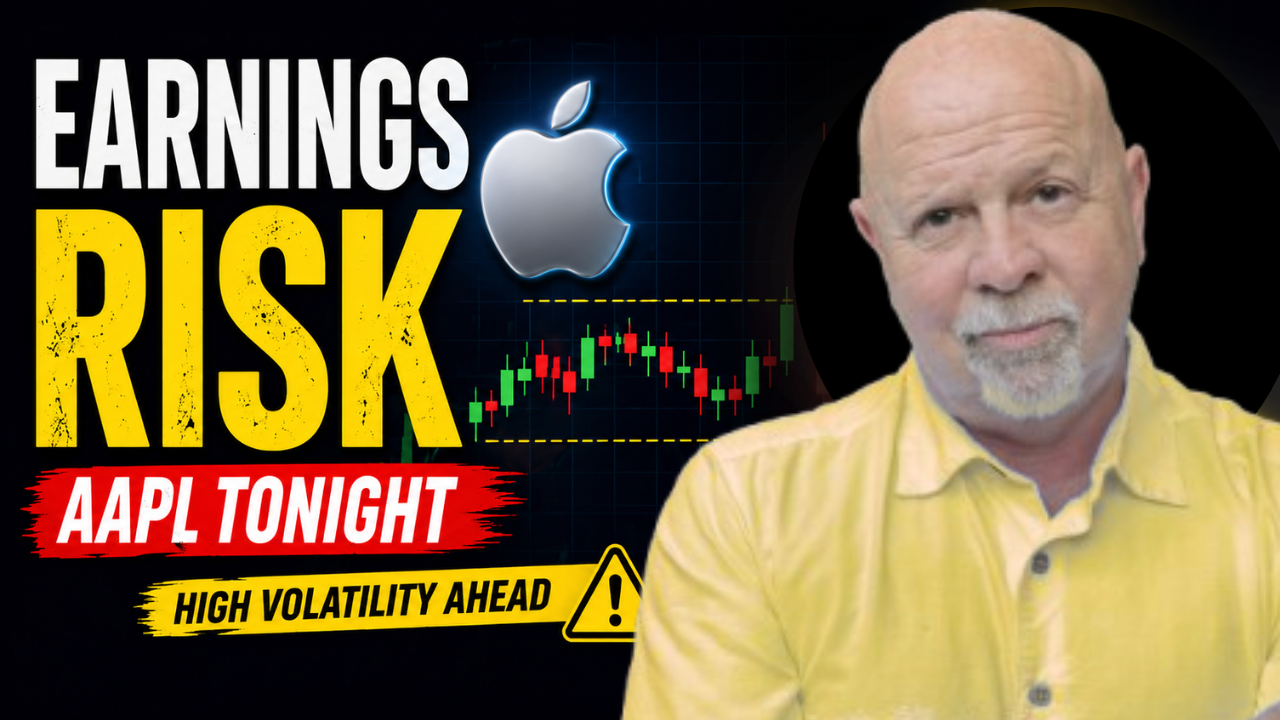
Apple Earnings Tonight: Why Protection Matters More Than Prediction
In this video, the focus is Apple ahead of earnings and why risk control matters more than trying to guess the next move. Apple’s chart looked constructive, especially above its 50-day moving average, but earnings can change the picture quickly. The bigger takeaway is that even strong stocks deserve protection when event-driven volatility is high.
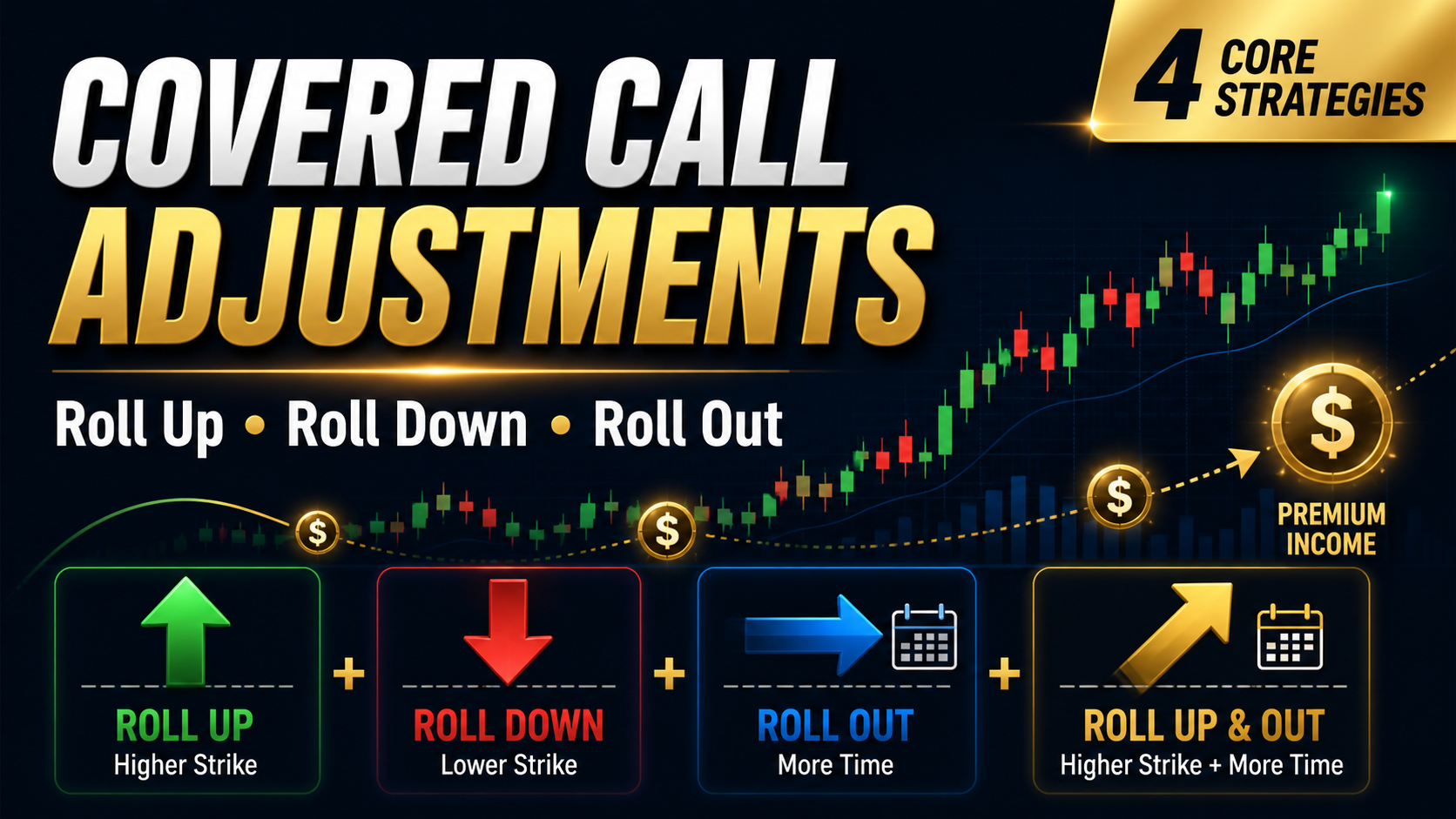
Covered Call Adjustments: How to Manage Positions When the Market Moves
In this blog, the main idea is that covered calls should not be treated as “set it and forget it” trades. When the stock moves up, down, sideways, or runs too far too fast, traders need an adjustment plan. Rolling up, rolling down, rolling out, and rolling up-and-out are the core tools for keeping an income strategy active while managing assignment and downside risk.

How to Generate Options Income Inside Your 401k, IRA, and Roth IRA
In this blog, the lesson is that options income can be generated inside certain retirement accounts when investors stick to approved strategies. Covered calls, cash-secured puts, protective puts, and certain spreads may be available depending on the account and broker approval level. The key is understanding what is allowed, avoiding naked-risk strategies, and using tax-advantaged accounts thoughtfully.
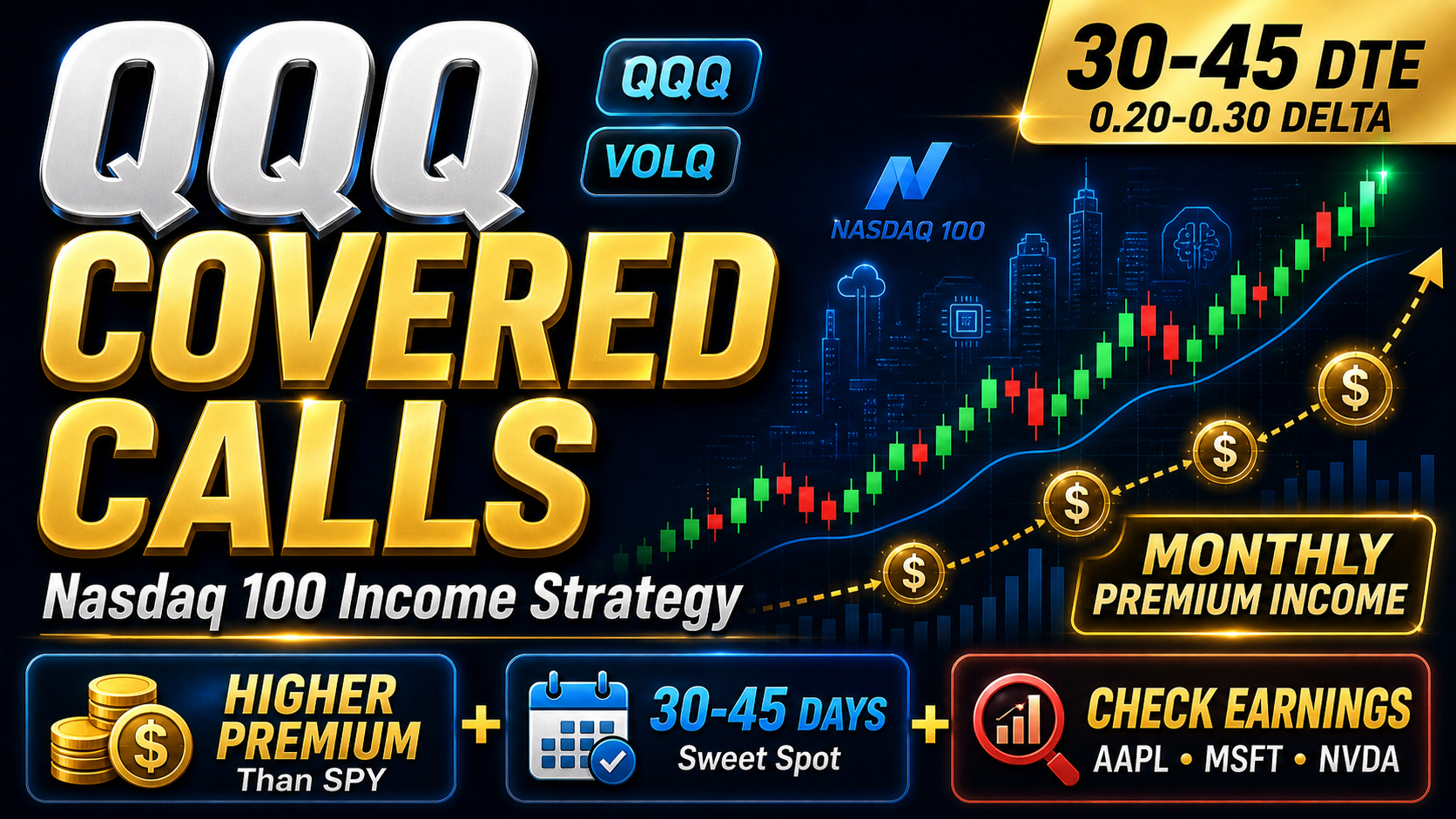
QQQ Covered Calls: Income From the Nasdaq 100 Without the Full Risk
In this blog, the focus is using QQQ covered calls to generate income from the Nasdaq 100 without owning every individual mega-cap tech stock separately. The strategy requires discipline because QQQ moves faster than broader-market ETFs like SPY, especially around major tech earnings. The suggested framework emphasizes position sizing, expiration selection, delta discipline, and awareness of tech-heavy event risk.
How to Roll Covered Calls Up and Out
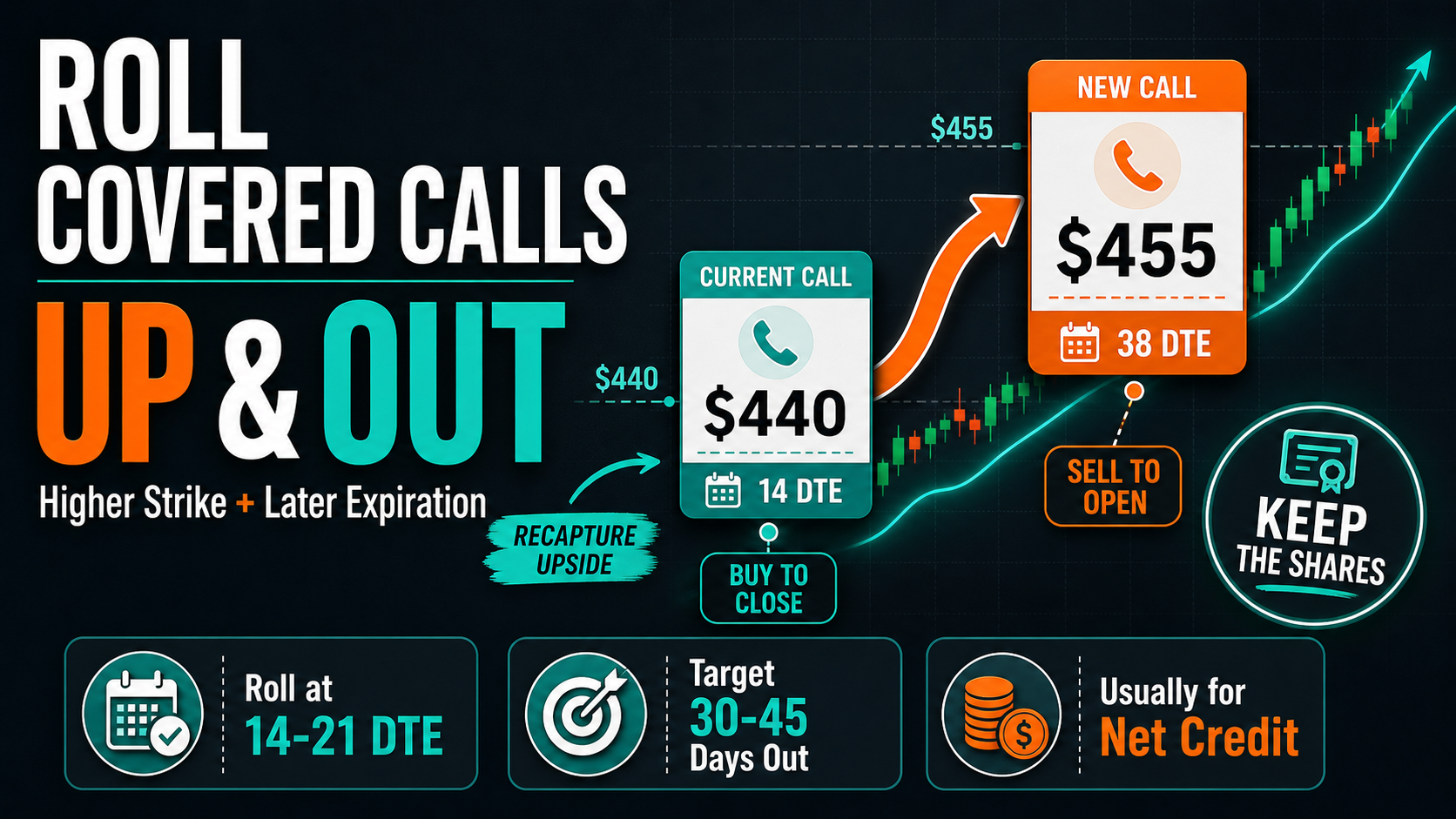
In this blog, the key takeaway is that rolling up and out can help covered-call sellers manage a stock that has rallied through the strike. The process involves buying back the current call and selling a higher-strike, later-dated call, ideally for a net credit. The broader lesson is to roll with a plan before expiration-week gamma risk creates unnecessary pressure.
How to Use Delta to Select the Perfect Covered Call Strike
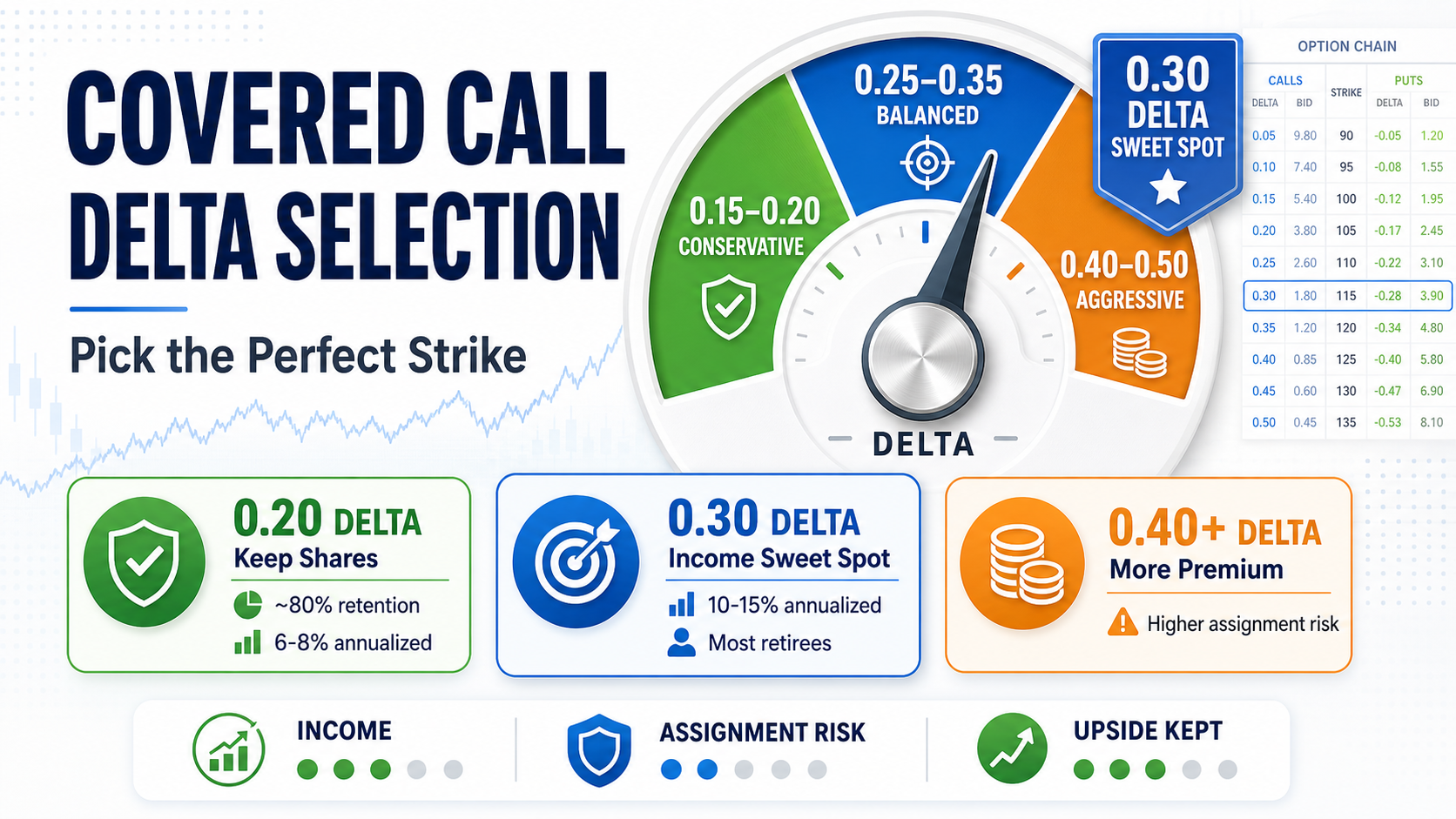
In this blog, delta is presented as the central decision point in covered-call strike selection. Lower-delta calls help investors keep shares but pay less income, while higher-delta calls generate more premium but increase assignment risk. A balanced delta range can help income-focused investors match the trade to their goal instead of choosing strikes by guesswork..
Podcast Episode This Week

In this podcast, Mark sits down with franchise expert Matt Stevens, known as “The Franchise Guy,” to discuss how franchising works and how investors can evaluate whether franchise ownership fits their income and lifestyle goals. The episode may be useful for readers who are thinking beyond the stock market and want to understand business ownership through a more structured, system-based model.
