
Nvidia’s $20B Groq Deal: What It Means for NVDA—and How Covered Calls Can Boost Passive & Retirement Income
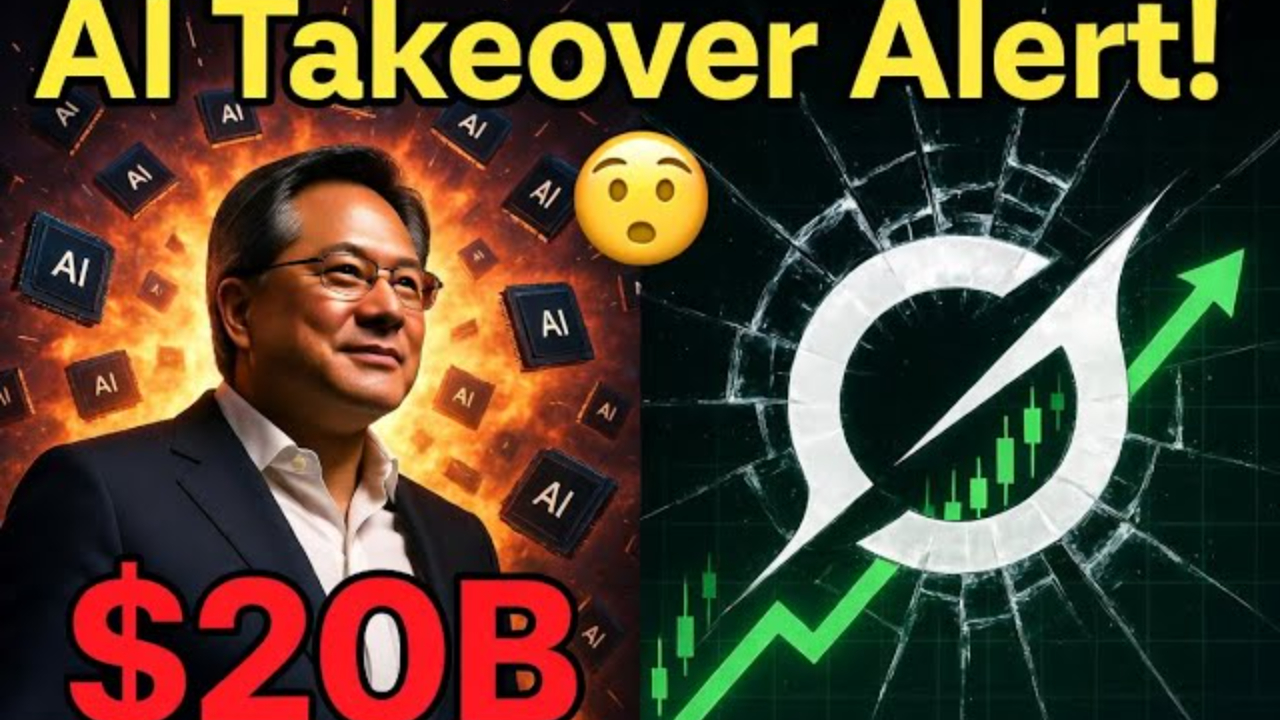
On December 24, 2025 (Christmas Eve), Nvidia surprised the tech world with news tied to rival chipmaker Groq—and investors immediately asked the same thing: Is Nvidia killing competition… or securing the next phase of AI? (
But here’s the twist: early headlines framed it like a $20 billion acquisition, while later reporting described an unusual “not-quite takeover”—more like a non-exclusive technology licensing deal plus a high-profile acqui-hire (key leaders and talent moving to Nvidia).
Either way, the implications matter for anyone Investing in tech—especially if you’re looking for Passive Income and Retirement Income using strategies like Covered Calls.
And yes: you can use this kind of volatility and hype to your advantage—without needing to predict the next headline.
What Actually Happened: Acquisition vs. “Strategic Licensing”
Multiple outlets reported Nvidia struck a major Groq deal around $20B, but the structure is the story:
- Nvidia gains access to Groq inference-chip technology and brings in key Groq leaders (including CEO Jonathan Ross and President Sunny Madra in some reports).
- Groq continues operating independently in some form, with leadership changes for the “remaining” business (often referenced as GroqCloud).
- This structure may reduce immediate antitrust friction compared to a straightforward buyout—though regulators can still scrutinize outcomes, not just labels.
So if you heard “Nvidia bought Groq,” the more accurate takeaway is: Nvidia bought the advantage—technology + talent—through a deal shaped to move fast and limit regulatory obstacles.
GPUs vs. LPUs: The Simple Explanation (Why Nvidia Cares)
To understand the excitement, you only need one idea:
Training vs. Inference
- Training = teaching an AI model from scratch (big, expensive, lots of compute).
- Inference = using the trained model in real life (chatbots, assistants, search, customer support, cars).
Historically, Nvidia dominated training with GPUs.
Groq’s pitch is inference speed.
Why Groq’s LPU is different
Groq is known for its Language Processing Unit (LPU) approach—hardware designed to run AI outputs in a more predictable, assembly-line style. That “deterministic” style can reduce waiting and bottlenecks for certain workloads, which is exactly what companies care about when they’re serving millions of AI requests.
In plain English: inference is where AI becomes a business, and Groq built chips aimed at making that business faster and cheaper. That’s why Nvidia doesn’t want Groq turning into a true long-term alternative to the GPU ecosystem.
What This Could Mean for NVDA Stock (Upside + Red Flags)
The bullish case
If Nvidia can blend inference-focused tech with its existing platform (hardware + software ecosystem), it can protect its “default choice” status for AI workloads. Analysts described the move as strategic as inference demand rises and custom chips grow.
Also, Groq raised $750M at a $6.9B valuation (Sept. 17, 2025)—showing serious investor belief in inference economics.
The bearish case
- Valuation/price optics: “$20B” sounds huge next to a $6.9B valuation headline, even if the deal isn’t traditional equity purchase.
- Regulatory risk: even a “license + talent” structure can attract scrutiny if it removes a meaningful competitor.
- Competition isn’t dead: AMD, hyperscaler custom chips, and other inference solutions keep pushing forward.
Bottom line: this kind of headline tends to increase volatility—which is exactly where Covered Calls can shine.
Covered Calls (In Plain English)
A Covered Call is simple:
- You own 100 shares of a stock (like NVDA).
- You sell a call option against those shares.
- You collect option premium (cash paid to you).
In exchange, you agree that if the stock rises above a certain price (the “strike”), your shares can be sold at that strike.
That premium can help generate Passive Income, which many investors aim to channel toward Retirement Income over time.
Why Covered Calls Fit News-Driven Stocks Like NVDA
When big news hits (like this Groq deal), options often price in uncertainty. That can mean richer premiums.
Covered calls can help you:
- Get paid while you hold shares
- Reduce your cost basis over time
- Create a repeatable income process (instead of guessing price direction)
You’re basically saying:
“I like the stock, but if it runs too far too fast, I’m okay selling at a profit—while collecting cash today.”
That’s a very different mindset than “I must time the perfect top.”
Integrating Covered Calls Into Retirement Planning
If your goal is Retirement Income, the biggest enemy is often not “being wrong once.” It’s inconsistent behavior.
Covered calls can support a retirement plan by:
- Creating a structured approach to generating cash flow
- Helping you avoid emotional decisions during hype cycles
- Potentially smoothing returns in sideways markets
Important note: covered calls can cap upside in explosive rallies—so the strategy works best when you’re intentionally trading some upside for consistent Passive Income.
Best Practices for Investing With Covered Calls (Actionable + Simple)
Here are 12 life-improving tips to help you use Covered Calls more effectively:
- Start with high-quality stocks or ETFs you’re willing to hold long term (retirement mindset).
- Only sell calls on shares you truly own (that’s what makes them “covered”).
- Pick strikes above your “happy sell” price—don’t choose a strike that would make you regret success.
- Use shorter timeframes (like 2–6 weeks) if your goal is more frequent income cycles.
- Avoid earnings week unless you understand the risk—earnings can trigger big gaps.
- Don’t chase the highest premium if it forces you into a strike you hate.
- Diversify your covered call positions (one stock headline shouldn’t control your retirement plan).
- Decide your plan in advance: are you okay being called away, or do you prefer managing/rolling?
- Track your “income yield” vs. opportunity cost—did premium justify capped upside?
- Use position sizing rules: don’t let one volatile stock become your entire Passive Income plan.
- Reinvest a portion of premiums (especially in earlier years) to compound Retirement Income potential.
- Write down your rules (strike selection, expirations, exit plan). Consistency beats improvisation.
(Educational only—not financial advice.)
FAQs
1) Are covered calls safe for retirement income?
They can be safer than many option strategies because you own the shares, but they still carry stock risk. They’re best used with strong risk management and good underlying selections.
2) Do covered calls limit gains?
Yes. If the stock rockets above your strike, your upside is capped. That’s the tradeoff for collecting premium (Passive Income) today.
3) How does big news (like Nvidia–Groq) affect covered calls?
Big headlines can increase implied volatility, which may increase option premiums. That can make covered calls more attractive—while also increasing the chance of sharp moves.
4) Can I do covered calls without owning 100 shares?
A standard covered call requires 100 shares per contract. Some investors use alternatives (like certain funds), but the classic strategy is 100-share blocks.
Call to Action
If you want more walkthroughs on building Passive Income and Retirement Income using Covered Calls (and how to apply them to high-interest stocks when headlines hit), check the Covered Call channel referenced in your process doc.
Conclusion
Nvidia’s Groq deal highlights where AI is heading: inference is becoming the real revenue engine, and chip leaders are racing to own that layer. Whether this arrangement is framed as licensing, talent acquisition, or something closer to a takeover, the market takeaway is the same—competition is intensifying, and volatility around NVDA headlines isn’t going away.
