
The Possible Return of an Asset-Backed Dollar: Gold Revaluation, Bitcoin Reserves, and the Future of Global Money
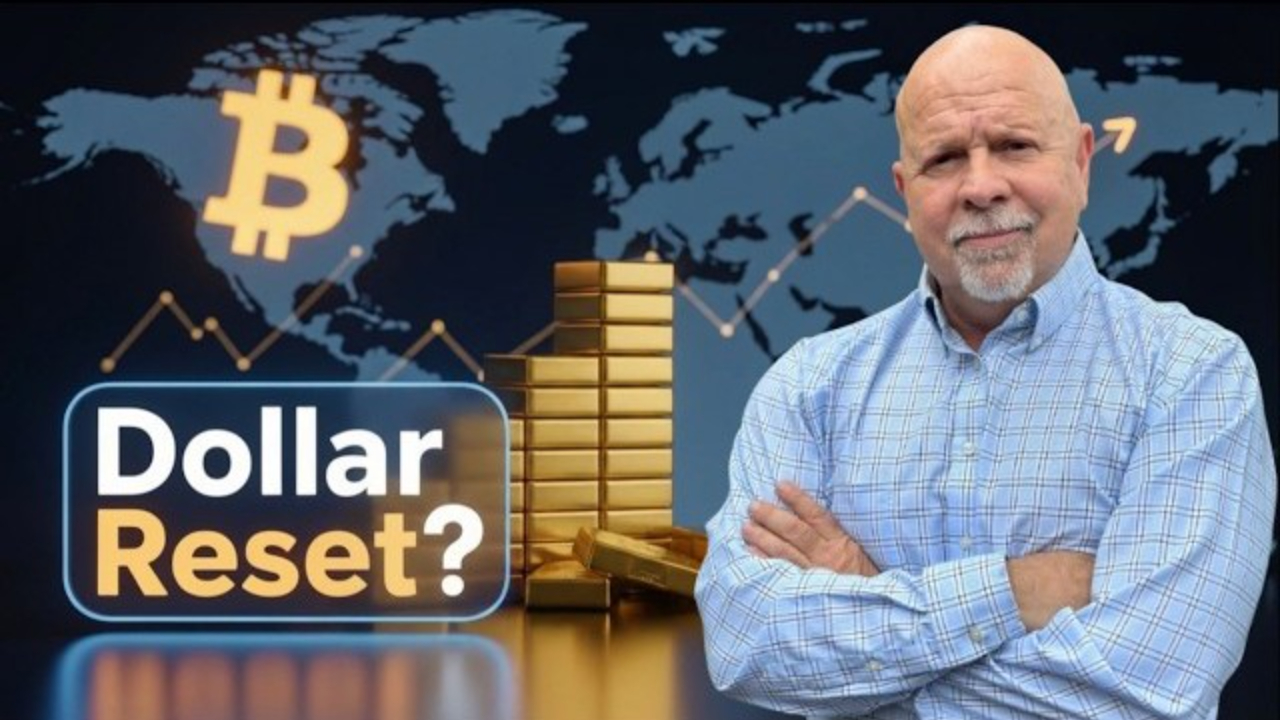
The global financial system may be approaching one of the most significant structural shifts in decades. Rising government debt, growing geopolitical tensions, central bank gold accumulation, and increasing interest in alternative assets have sparked conversations about whether the modern fiat currency system is beginning to fracture.
Some analysts believe the next phase of monetary evolution could involve a partial return to asset-backed currencies — not necessarily a rigid gold standard, but a hybrid framework combining gold, silver, and even digital assets like Bitcoin.
This article explores a bold financial thesis: how potential gold revaluation, strategic reserve assets, and structural monetary reforms could reshape the global financial landscape and potentially redefine the strength of the U.S. dollar over the coming decade.
The End of the Gold Standard and the Birth of Fiat Currency
In 1971, U.S. President Richard Nixon ended the direct convertibility of the dollar into gold, effectively closing the gold window and transforming the dollar into a fiat currency. Prior to this shift:
- Each dollar was linked to a fixed gold value
- Global trade relied heavily on the dollar as a stable reserve currency
- Monetary policy was constrained by physical gold reserves
Once the gold standard ended, the dollar’s value became dependent on:
- Government credibility
- Global trade dominance
- Market trust and stability
Over the next five decades, the dollar maintained dominance largely due to oil trade agreements and global financial influence.
Signs of Stress in the Modern Monetary System
Today, several macroeconomic factors are fueling discussions about monetary restructuring:
- Rising national debt levels
- Growing geopolitical currency competition
- Declining global trust in fiat currencies
- Increasing sanctions and currency weaponization
Countries such as China and Russia have begun exploring alternative trade mechanisms, while developing alliances like BRICS consider non-dollar trade settlements.
Meanwhile, central banks worldwide have been aggressively accumulating gold reserves, signaling potential concerns about long-term fiat stability.
Why Central Banks Are Stockpiling Gold and Silver
Gold has reemerged as a strategic reserve asset due to its:
- Tangible intrinsic value
- Limited supply
- Global liquidity
- Independence from government monetary policy
Countries including India, Turkey, and Poland have significantly increased reserves in recent years.
Silver is gaining attention as well, driven by industrial demand for:
- Solar panels
- Electric vehicles
- Semiconductor production
These trends reflect a broader movement toward tangible and scarce assets in uncertain monetary environments.
The Gold Revaluation Theory: A Potential Debt Reduction Strategy
One of the most controversial ideas discussed by analysts is the possibility of gold revaluation — adjusting the official accounting value of national gold reserves to reflect current market prices.
The United States reportedly holds over 8,000 metric tons of gold stored in locations such as:
- Fort Knox
- Federal Reserve Bank of New York
Currently, some accounting frameworks still list gold at historical values far below market prices. Revaluation could:
- Increase balance sheet asset value
- Reduce apparent debt-to-GDP ratios
- Improve fiscal stability without increasing taxes
Supporters compare this approach to refinancing assets rather than printing new money.
The Concept of a Modern Asset-Backed Dollar
Rather than returning to a strict gold standard, some analysts envision a diversified reserve system that includes:
- Gold as the primary stabilizing asset
- Silver as a secondary commodity hedge
- Bitcoin as a digital scarcity reserve
This hybrid system could strengthen currency credibility while allowing flexibility for modern economic growth.
Digital assets may also enable:
- Transparent reserve tracking
- Blockchain-based auditing
- Faster international settlements
Proponents argue this approach could restore confidence in long-term currency stability.
Bitcoin as a Strategic Reserve Asset
Bitcoin’s limited supply and decentralized structure have positioned it as “digital gold” in some macroeconomic theories.
Supporters suggest potential benefits of government Bitcoin reserves include:
- Inflation resistance
- Technological leadership in finance
- Increased global financial competitiveness
Countries like El Salvador have already adopted Bitcoin in national financial strategies, increasing global attention on digital reserve concepts.
Potential Global Economic Impacts
If an asset-backed dollar framework emerged, potential macroeconomic effects could include:
Stronger Currency Stability
A partially backed currency may reduce inflation risk and increase global investor confidence.
Reshoring of Manufacturing
A stronger domestic currency and asset foundation could encourage production within the United States rather than overseas outsourcing.
Changes in Global Currency Dynamics
Nations like Switzerland may reinforce precious metal strategies, while competing currencies may struggle to maintain global dominance.
Increased Market Volatility
Major monetary changes historically trigger temporary market corrections before stabilization occurs.
Historical Precedent: Gold Revaluation in the 1930s
During the Great Depression, U.S. President Franklin D. Roosevelt revalued gold from $20.67 to $35 per ounce. The move:
- Devalued the dollar
- Increased national reserves
- Stimulated economic recovery
Some analysts believe a modernized version of this approach could help address today’s debt challenges.
What This Means for Individual Investors
If monetary restructuring occurs, early preparation may be essential.
Suggested strategies include:
- Diversifying across asset classes
- Holding a portion of wealth in precious metals
- Considering digital assets carefully
- Avoiding excessive leverage
- Maintaining exposure to real productive assets
Investors who position themselves early could potentially benefit from structural monetary changes.
Life-Improving Financial Tips
- Think Long-Term About Monetary Trends
Currency systems evolve slowly, but preparation matters. - Diversify Across Asset Types
Balance equities, commodities, real estate, and alternatives. - Stay Educated on Global Economics
Understanding macro trends improves investment decision-making. - Avoid Panic Investing
Major economic shifts often create opportunities, not just risks. - Maintain Liquidity
Cash reserves provide flexibility during market volatility. - Focus on Risk Management
Protecting capital is more important than chasing speculative gains.
Frequently Asked Questions (FAQs)
Is an asset-backed dollar guaranteed to happen?
No. These ideas remain theoretical and depend on political, economic, and global conditions.
Would gold revaluation cause inflation?
Supporters argue it is primarily an accounting adjustment rather than money printing, though market reactions may vary.
Why are central banks buying gold?
Gold provides stability during currency uncertainty and geopolitical tension.
Could Bitcoin realistically become a reserve asset?
Some nations are experimenting with digital reserves, but widespread adoption remains uncertain.
How should investors prepare?
Diversification, disciplined investing, and staying informed about macroeconomic developments are key strategies.
Call to Action
If you want to stay ahead of major financial shifts, begin studying global monetary policy, asset allocation strategies, and risk-managed investing systems. Building a resilient portfolio today can help you navigate potential currency changes tomorrow.
Continue educating yourself about macroeconomic trends, diversification techniques, and systematic income strategies that perform across different market environments.
Conclusion
The possibility of a modern asset-backed currency system represents one of the most intriguing financial discussions of the current decade. Rising debt levels, increased gold accumulation by central banks, geopolitical currency competition, and the growing role of digital assets have sparked renewed interest in alternative monetary frameworks.
While the future remains uncertain, history shows that financial systems evolve in response to economic pressure. Whether through gold revaluation, diversified reserve baskets, or technological innovations in currency design, the next phase of global finance may look very different from the fiat-only system that has dominated since 1971.
For investors, the key lesson is preparation — maintaining diversified portfolios, managing risk carefully, and staying informed about macroeconomic developments that could reshape the financial world in the years ahead.
